Addiction medicine, without the judgment
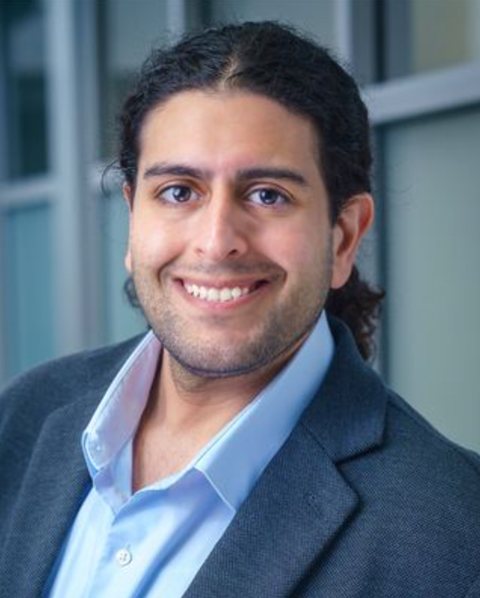 Theodore Germanos, MDTriple board-certified — adult, child & adolescent, and addiction medicine
Most people who should see an addiction specialist never do, because the word “addiction” feels like an accusation. Here is the clinical reality: addiction is a medical condition with some of the most effective treatments in psychiatry, and the people who walk it back earliest are the ones who talked to someone while it still felt ambiguous.
What I treat
Alcohol that has drifted from social to structural. Stimulants, cannabis, opioids, benzodiazepines. And the behavioral addictions that medicine has been slower to take seriously — gambling above all, including its newest costume: compulsive trading and market speculation. I am board-certified in addiction medicine specifically, which matters because addiction almost never travels alone — the anxiety, depression, or ADHD underneath it has to be treated by the same person who understands the addiction, or treatment ends up fighting itself.
What treatment actually looks like
It starts with an honest, unhurried evaluation — where things stand, what is driving it, and what you actually want. From there: evidence-based medication where it helps (modern addiction medicine has genuinely effective options for alcohol, opioids, and more), structured psychotherapy, and a plan built around your life rather than a program's schedule. Abstinence is one goal among several we can work toward; you do not need to have “hit bottom,” and you do not need to arrive with your mind made up.
Discretion, structurally
For professionals — physicians, attorneys, pilots, finance — the fear of a record often outweighs the fear of the substance. This practice is private-pay and out-of-network by design: no insurance company receives a diagnosis unless you choose to submit a superbill, and care happens by secure telehealth from wherever you have a door that closes.
Apply
A short application — about 5–7 minutes, no card required.
Evaluation
A thorough diagnostic conversation.
Plan
Treatment built to fit, with unhurried follow-ups.
Do I have to stop completely before starting treatment?
No. You start where you are. Treatment meets you at ambivalence — that is normal and workable — and goals are set together, honestly, as the picture becomes clear.
Is this confidential?
Yes, within the standard legal limits of any medical care. And because the practice is private-pay, no insurer receives your diagnosis unless you choose to submit a superbill yourself.
Do you treat gambling and trading-related addiction?
Yes — it is a particular focus. Gambling disorder is a recognized diagnosis with real treatments, and compulsive trading often follows the same architecture. I also run Psychiatrade, a free educational screener for trading behavior; its longer read on when day trading becomes gambling covers the clinical signs in detail.
Can family be involved?
When you want them to be, yes — with your written consent, involving a spouse or family member at the right moments can meaningfully strengthen treatment.
Also see: Telehealth psychiatry in California · Performance psychiatry · ADHD · Gambling & behavioral addiction