An online psychiatrist for Los Angeles — the appointment comes to you
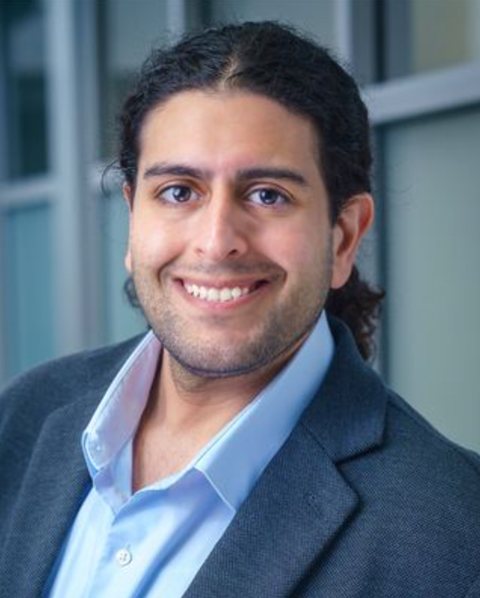 Theodore Germanos, MDTriple board-certified — adult, child & adolescent, and addiction medicine
In Los Angeles, the hard part of psychiatric care is usually not finding a psychiatrist. It is getting to one, every few weeks, for as long as treatment takes, across a city that can put forty minutes between you and an office eight miles away. I see individuals throughout Los Angeles County by secure video, with thorough evaluations and appointments long enough to be worth the hour.
Geography is the treatment barrier here
A patient in Sherman Oaks with a psychiatrist in Beverly Hills is not booking a 50-minute appointment. They are booking a two-hour block, and they know it. Westside to Downtown at five o’clock, the Valley over the hill, the South Bay up the 110 — the distance on the map is not the distance in practice. In a city built this way, the appointment that gets kept is the one that does not require crossing it.
Schedules that do not fit a standard clinic
Los Angeles runs on schedules that ordinary outpatient psychiatry was not designed around: production and post timelines, shift work in hospitals and restaurants, founders and engineers whose calendars are decided by other people, performers and athletes whose work moves. When care requires being in a specific building at a specific hour every third Tuesday, those are the people who fall out of it first — not because they were not committed, but because the format was never compatible.
That matters more than it sounds. Medication adjustments need real follow-up to be both safe and correct. Therapeutic work needs continuity before it compounds. Removing the drive is not a comfort feature — it is what keeps people in treatment long enough for treatment to do anything.
How care works if you live in Los Angeles
I am licensed to practice medicine in California and see individuals across the entire state by secure video — the Westside, the Valley, Downtown, the South Bay, the East Side, the Gateway Cities, the Antelope Valley. You will need to be physically located in California at the time of each appointment, along with a private space and a device with a camera.
Care begins with a thorough evaluation — a genuine diagnostic conversation rather than a symptom checklist, running about 60 minutes for adults and about 90 minutes for adolescents. Treatment from there may include medication management, targeted therapy, and performance-focused work for people whose work depends on cognition under pressure. Follow-ups are set at a rhythm that fits the treatment, and messages come to me directly.
Who I work with
Individuals across Los Angeles managing demanding careers and real life at the same time, and individuals struggling with anxiety, depression, ADHD, autism spectrum presentations, or substance use. I am triple board-certified in adult, child & adolescent, and addiction medicine.
Apply
A short application — about 5–7 minutes, no card required.
Evaluation
A thorough diagnostic conversation.
Plan
Treatment built to fit, with unhurried follow-ups.
Do you have an office in Los Angeles?
No. The practice is entirely telehealth. I am licensed in California and see patients across the state by secure video, which is what makes it workable to treat people in Los Angeles without either of us sitting in traffic. If your situation calls for in-person care, I will say so at the evaluation.
Which parts of Los Angeles do you serve?
All of Los Angeles County and the rest of California. Care is delivered by video under a California medical license, so location within the state is not a limitation — the Westside, the Valley, Downtown, the South Bay, the East Side, Long Beach, Pasadena and beyond. You do need to be physically located in California at the time of each appointment.
Can you prescribe medication?
Yes, as part of ordinary telehealth care when medication is clinically appropriate. Some medication categories involve additional requirements, which we discuss at the evaluation — nothing is decided before evaluation.
Do you take insurance?
The practice is private-pay and out-of-network, which is what makes unhurried, confidential care possible. You can request a superbill to submit to your insurance if your benefits include out-of-network reimbursement. Details are laid out inside the application before you commit to anything.
How do I start?
Complete the short application on the home page — about 5–7 minutes. I review applications personally, typically within 1–2 business days, and you will hear back by email about scheduling.
Also see: Telehealth psychiatry in California · Telepsychiatry for San Diego · Telepsychiatry for Orange County · Performance psychiatry · ADHD · Child & adolescent