Psychiatry for college students in San Diego
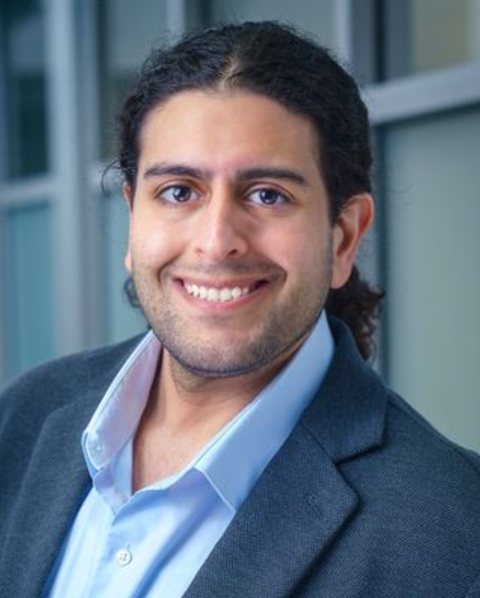 Theodore Germanos, MDBoard-certified in adult, child & adolescent, and addiction medicine
Most students who need a psychiatrist are not in crisis. They are carrying a full course load with an attention problem nobody ever formally evaluated, a mood that has been flattening for months, or a drinking pattern that stopped being social a while ago. Care is delivered by secure video under a California license, so it works from wherever you are studying and continues through breaks.
What students actually come in for
ADHD that was never evaluated. High school supplies structure; college removes it. A first diagnosis in college is ordinary rather than late, and the evaluation is the same careful one any adult gets.
Anxiety and depression. Including the version that looks like procrastination from the outside.
Autism spectrum presentations. Bright students are missed for years, then struggle the moment social and executive demands rise at once. It belongs in the differential alongside ADHD, not after it.
Alcohol, cannabis, nicotine and stimulants. Addiction medicine is one of my boards. A student who is worried about their own use can say so here without the conversation becoming a disciplinary matter.
Sleep that has collapsed into a schedule nobody designed, which then drives everything above.
Why the campus route often stalls
Campus counseling centers do useful work and they are free, so start there if it fits. What they are built for is short-term therapy and triage: session limits, a waitlist that lengthens as the term goes on, and limited prescriber capacity for students who need medication managed over months rather than weeks. Many centers will say this themselves and refer out. That referral is the gap this practice sits in.
One license, the whole state
A California medical license covers care delivered to a patient located anywhere in California. For a student that means one psychiatrist through the term and through the breaks, with no transfer of care and no retelling your history to somebody new, and it works the same from any California campus. The limit, stated in advance rather than after you have moved: if you leave the state, appointments pause until you are back.
Confidentiality once you are 18
You are the patient and the record is yours. Nothing is released to a parent, a professor, a dean, or any university office without your written authorization, and the exceptions are the ordinary legal ones around immediate safety. Treatment here is also entirely separate from your school: no academic file, no conduct process, no report to anybody. If you want a parent involved, that is a choice you make and can revoke.
Who I am, and what this is not
I am a board-certified psychiatrist in adult, child & adolescent, and addiction medicine, in practice since 2016, and this is a telehealth practice serving California. My own training ran through this county — undergraduate at San Diego State, fellowship at UC San Diego — which is the reason I know the student population well and is not a claim of any current relationship. This practice is independent: not affiliated with, endorsed by, or contracted with UC San Diego, San Diego State, or any other university, and it is not student health, campus counseling, or a university-sponsored service.
Cost, plainly
The practice is private pay and out of network, which is what makes unhurried appointments and a confidential record possible. Student health plans vary widely; many include out-of-network reimbursement, and you can request a superbill to submit. The full fee schedule is laid out inside the application before you agree to anything, and no card is collected to apply.
How care works
Apply
A short application online — about 5 to 7 minutes, no card required.
Evaluation
A 60 to 90 minute appointment by secure video. Nothing is prescribed before it.
Plan
Treatment and follow-up that fits a term schedule, including breaks.
Do you see UC San Diego and San Diego State students?
Yes, and students from any California campus or community college. To be clear about what this is: an independent private practice, not affiliated with, endorsed by, or contracted with any university, and not a campus health service. The only requirement is that you are physically located in California at the time of each appointment.
Will my parents or my school find out?
If you are 18 or older, your records are yours. Nothing goes to a parent, a dean, a professor, or a university office without your written authorization. The narrow exceptions are the ones the law sets for everyone, chiefly an immediate safety emergency. If a parent is paying, they receive what billing requires and not the clinical content. If you are under 18, a parent is part of the work by design, and we talk openly at the start about what stays between us.
Can you evaluate me for ADHD if I have never been tested?
Yes, and that is a large share of what students come in for. College is often where an attention problem finally becomes visible, because the external structure that carried someone through high school disappears. The evaluation runs 60 to 90 minutes and covers developmental and school history, what studying actually looks like now, sleep, mood, substance use, and rating scales; old report cards or a parent's recollection help when you can get them. Nothing is decided in advance, and ADHD is not the answer every time. If medication is appropriate, stimulants are prescribed with careful standards and monitoring.
I already take a stimulant prescribed back home. Can you continue it?
Often, after an evaluation of my own and with records from the prescriber who started it. Continuity matters and so does doing it properly: no medication is continued or changed before the evaluation, and ongoing stimulant treatment involves regular appointments.
What if I am leaving California for a semester or a program?
Then appointments pause while you are out of state, because a California license covers care delivered to patients located in California. Tell me early and we plan around it, including a supply strategy where that is clinically reasonable and a referral where it is not. Within California, the same license covers you wherever you are.
What if what I need is therapy rather than medication?
Then that is what we do, or I help you find it. The practice offers therapy as well as medication management, and plenty of students need the former and not the latter. Campus counseling centers are also a real option for short-term work and are usually free, which is worth saying out loud even though it means you may not need me.
Is this the right place in an emergency?
No. This is scheduled outpatient care, not urgent or crisis care. If you are in danger, call 911 or go to the nearest emergency room, and 988 reaches the Suicide and Crisis Lifeline by call or text at any hour. Your campus counseling center can also give you its after-hours crisis number.
Also see: Telepsychiatry across San Diego County · ADHD · Anxiety & depression · Addiction medicine · Child & adolescent · Telehealth psychiatry in California